




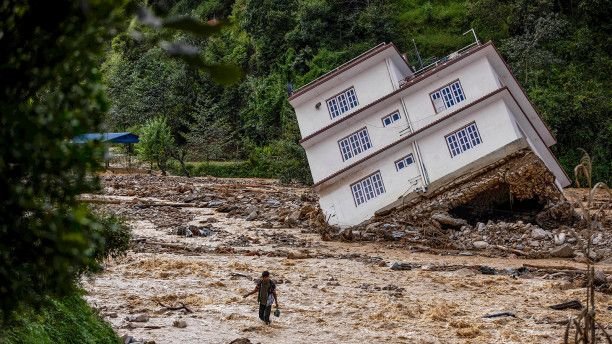
Floods can change a situation from normal to dangerous in a matter of minutes. In Nepal, the risk can be especially serious because the country has Survive the Nepal Flood very different landscapes, from the low-lying Terai plains to steep hills and the Himalayan mountains. Heavy monsoon rainfall can cause rivers to overflow, while mountain areas can face flash floods, landslides, debris flows and other sudden hazards.
The recent flooding in northern Nepal has again shown how quickly water and debris can move through mountain valleys. On August 26, 2026, a catastrophic flood affected areas around the Bhote Koshi and Trishuli river systems, causing widespread destruction and making rescue operations difficult. The event has also highlighted the importance of receiving warnings quickly and moving to safety without waiting for conditions to become worse.
However, flood safety is not only about responding during a disaster. Knowing what to do before a flood, preparing an emergency kit, understanding evacuation routes and knowing how to stay safe afterward can make a major difference.
This guide explains how to survive the Nepal flood, what to do before, during and after flooding, how to protect your family, and which mistakes you should avoid.
Why Flooding Is a Serious Risk in Nepal
Nepal experiences several different types of flood hazards. The risks vary depending on where a person lives, works or travels.
The country’s monsoon season normally brings heavy rainfall, and historical disaster planning has identified both the Terai and the country’s hill and mountain regions as vulnerable to flooding and related hazards. The Terai is particularly exposed to river and surface flooding, while hills and mountain areas face additional risks from landslides, debris flows and sudden changes in river conditions.
This means there is no single type of Nepal flood.
A person living near a major river in the Terai may have more time to prepare for rising water. Someone living beside a steep mountain river may have very little warning if a flash flood or debris flow occurs upstream.
Monsoon Flooding
Nepal’s monsoon season generally runs from June through September and can bring intense rainfall. When rivers receive large amounts of water, their levels can rise rapidly.
Flooding can affect homes, farms, roads, bridges, schools and businesses. In some areas, water can also enter communities because drainage systems cannot handle intense rainfall.
For people living in flood-prone areas, the safest approach is to prepare before heavy rainfall begins rather than waiting until water reaches the neighborhood.
Flash Floods
Flash floods are among the most dangerous flood events because they can develop very quickly.
A river that looks relatively calm can become extremely dangerous after heavy rainfall or a sudden upstream event. Water may carry trees, rocks, vehicles, mud and other debris.
The danger is even greater in narrow valleys and mountainous areas, where water can travel quickly through river channels.
If authorities advise people to move to higher ground, do not wait to see how high the water becomes. Leaving early is usually much safer than attempting to escape after roads and bridges have already been flooded.
Landslides and Debris
Flooding and landslides can occur together in Nepal’s hills and mountains.
Heavy rain can weaken slopes, while floodwater can erode riverbanks and roads. Landslides can block roads, damage buildings and create temporary barriers in rivers. If such barriers fail, large amounts of water and debris can move downstream suddenly.
For this reason, people in mountainous areas should pay attention not only to flood warnings but also to landslide and road-closure information.
Mountain and Glacial Hazards
Mountain communities face additional hazards that may originate far upstream.
The August 2026 disaster demonstrated how an event in the high Himalaya can affect communities farther downstream. Reports on the disaster described powerful flows of water, mud, rocks and other debris moving through river valleys.
This is why people should never assume that clear weather or a lack of heavy rain directly above their home means they are safe. A dangerous flood can originate upstream.
How to Prepare Before a Nepal Flood
The best time to prepare for flooding is before the warning arrives.
Preparation does not have to be complicated. A few basic steps can help families respond more quickly when conditions deteriorate.
Know Your Flood Risk
Start by understanding the area where you live or are staying.
Find out:
- Whether your home is near a river or stream
- Whether the area has flooded before
- Which roads are likely to become impassable
- Where higher ground is located
- Which buildings can serve as safe evacuation locations
- Whether landslides are a known local risk
- Which routes can be used if the main road is blocked
If you live in a mountain valley, also pay attention to upstream conditions. A flood may arrive from an area many kilometers away.
The Department of Hydrology and Meteorology is an important source of official weather, rainfall, river and flood information in Nepal. Check official information regularly during periods of severe weather.
Make an Emergency Evacuation Plan
Every household should have a simple plan.
Decide where everyone will go if evacuation becomes necessary. Choose a safe meeting point in case family members become separated.
Your plan should also consider:
- Children
- Older family members
- People with disabilities or limited mobility
- People who need regular medication
- Pets
- Family members who may be away at work or school
Do not rely on only one road. Flooding can damage bridges and block roads with mud, rocks or debris.
If possible, identify an alternative route to higher ground.
Prepare a Flood Emergency Kit
Keep essential supplies together so you can leave quickly.
A basic flood emergency kit can include:
- Drinking water
- Ready-to-eat food
- First-aid supplies
- Essential medicines
- Flashlight
- Extra batteries
- Power bank
- Mobile phone charger
- Important identification documents
- Some cash
- Dry clothing
- Blankets
- Hygiene products
- Basic tools
- Whistle
- Waterproof bags or containers
Do not wait until a flood warning is issued to search for these items.
Keep the emergency kit somewhere that can be reached quickly.
Protect Important Documents
Floodwater can destroy paper documents within minutes.
Keep passports, identification documents, property records, medical information and other important papers in waterproof packaging.
Where appropriate, keep secure digital copies as well.
The goal is simple: if you need to evacuate quickly, you should be able to take essential documents without searching through your entire home.
What to Do When a Flood Warning Is Issued
A flood warning should be taken seriously.
Do not assume that you have plenty of time simply because water has not reached your neighborhood yet.
When an official warning is issued:
- Monitor reliable information
- Charge your phone and power bank
- Gather your emergency kit
- Move important items to a safer location if there is enough time
- Prepare to evacuate
- Keep children away from rivers and drainage channels
- Check on vulnerable neighbors when it is safe to do so
- Follow evacuation instructions from local authorities
The recent Nepal disaster provided a powerful example of how early action can save lives. Reuters reported that an urgent warning helped more than 900 students and school staff evacuate from a school in Bidur shortly before destructive floodwaters reached the area.
That example reinforces an important lesson: a warning is useful only if people act on it.
How to Survive a Flood in Nepal
When flooding begins, your priority should be staying alive and getting away from dangerous water.
Property can be replaced. A person’s life cannot.
Move to Higher Ground Immediately
If floodwater is rising or authorities instruct you to evacuate, move toward safer, higher ground.
Do not wait until water reaches your home.
In mountainous areas, remember that moving directly beside a river may not be safe even if the river appears normal. Sudden water and debris can arrive from upstream.
Never Walk Through Fast-Moving Floodwater
Floodwater is much stronger than it may look.
Even relatively shallow moving water can knock a person off their feet. The water may also hide holes, broken roads, open drains, rocks, cables or other dangerous objects.
The American Red Cross advises people not to walk, swim or drive through floodwater.
If a road is flooded, find another route rather than attempting to cross it.
Never Drive Through Flooded Roads
Driving into floodwater is one of the most dangerous mistakes people make during floods.
A vehicle can lose traction, stall or be pushed by moving water. Floodwater may also conceal a collapsed section of road or bridge.
If you encounter a flooded road, turn around and find a safer route.
Do not follow another vehicle simply because it appears to have crossed successfully.
Conditions can change within seconds.
Stay Away From Rivers, Bridges and Culverts
Flooding can make normally safe locations extremely dangerous.
Do not go to a river to watch rising water or take photographs. Do not stand on bridges to observe a flood.
Bridges, riverbanks and culverts can be damaged or undermined by strong currents.
Keep a safe distance from flowing water and move toward higher ground when conditions become dangerous.
Follow Evacuation Orders
If local authorities tell residents to evacuate, leave.
Do not delay because you want to protect your belongings.
Take your emergency bag, essential documents and necessary medication, and follow the recommended evacuation route.
If authorities have identified a safe shelter or evacuation location, use it rather than attempting to find your own route through flooded areas.
What to Do If You Are Trapped by Floodwater
Sometimes flooding can happen before a person has enough time to evacuate.
If you become trapped, focus on staying above the water and communicating your location.
If You Are Trapped at Home
Move to a higher level of the building if floodwater is entering the property.
Stay away from electrical equipment and areas where water is accumulating around power sources.
Keep your phone, flashlight and emergency supplies with you.
If you can safely communicate with emergency responders, provide your location and explain your situation clearly.
Do not enter rapidly moving water to escape unless there is no safer alternative and you are specifically directed by trained rescuers.
If You Are Trapped in a Vehicle
A flooded vehicle can become dangerous very quickly.
If water is approaching your vehicle, contact emergency services when possible and follow official instructions.
Never assume that a road remains intact simply because the surface is still visible.
If the vehicle is already surrounded by moving water, prioritize getting to a safe location rather than protecting the vehicle.
If Roads Are Blocked
Do not attempt to cross landslides, damaged bridges or fast-moving water.
A blocked road may indicate a larger hazard ahead.
Stay in a safe location when possible and monitor official announcements for alternative routes.
If Communication Becomes Difficult
Keep your phone battery available for essential communication.
Use text messages when voice calls are difficult, if the network permits.
If you are traveling with others, agree on a meeting point and communication plan before entering areas with limited network coverage.
Flood Safety for Children, Older Adults and Vulnerable People
Flood preparation should account for people who may need additional assistance.
Children may not understand how quickly floodwater can become dangerous. Teach them to stay away from rivers, drainage channels and flooded roads.
Older adults may need additional time to evacuate, particularly if they have mobility problems.
People who depend on medication or medical equipment should have essential supplies ready before severe weather develops.
Families should also plan for people with disabilities and anyone who may not be able to move quickly.
A good evacuation plan is not simply about knowing where to go. It is about making sure everyone can get there safely.
How to Stay Safe From Contaminated Water After a Flood
Floodwater should never automatically be considered safe.
Water can become contaminated with sewage, chemicals, waste, animal matter and other harmful substances.
Even water that looks clear may not be safe to drink.
After a flood:
- Use safe drinking water
- Follow local public-health instructions
- Avoid unknown water sources
- Wash hands regularly
- Keep wounds clean and covered
- Throw away food that has been contaminated
- Avoid contact with floodwater when possible
- Follow instructions about water treatment
Do not assume that boiling or filtering contaminated water will always remove every possible chemical hazard. Follow guidance from local health authorities when water safety is uncertain.
Flood preparedness planning in Nepal has also emphasized water, sanitation and hygiene as important parts of disaster response.
What to Do After the Nepal Flood
The end of rainfall does not necessarily mean the danger has ended.
Floodwater can continue moving downstream, rivers can remain unstable and damaged infrastructure can create new hazards.
Wait for Official Clearance
Do not return home simply because the water appears to be going down.
Authorities may still be dealing with damaged roads, unstable slopes, contaminated water or additional flood risks.
Wait for reliable information before returning to an affected area.
Avoid Damaged Buildings
Flooding can weaken buildings.
Do not enter a structure if it appears unstable, badly damaged or partially collapsed.
If you notice cracks, leaning walls or other serious damage, stay away and report the problem to the appropriate authorities.
Stay Away From Downed Power Lines
Never touch fallen electrical wires or electrical equipment that has been exposed to water.
Even if the power appears to be off, the situation can still be dangerous.
Keep children away from damaged electrical infrastructure.
Check Drinking Water
Flooding can contaminate wells, pipes and other water sources.
Use safe water until authorities confirm that local supplies are suitable for drinking.
If there is any doubt about water quality, follow official instructions rather than guessing.
Document Property Damage
Once it is safe to return, document damage to your home or business.
Take photographs and keep records of damaged belongings, structures and other property.
If you have insurance or are eligible for assistance, these records may be useful when reporting losses.
Help Neighbors Safely
Community support is extremely important after a disaster.
Check on neighbors when it is safe, particularly older people and families who may need assistance.
However, do not enter dangerous floodwater or unstable buildings to attempt an untrained rescue. Professional rescuers have equipment and training for situations that can be extremely dangerous to the public.
What Should Be in a Nepal Flood Emergency Kit?
A useful emergency kit does not need to be expensive.
The most important thing is to have essential supplies ready before an emergency.
| Item | Why It Matters |
|---|---|
| Drinking water | Helps prevent dehydration |
| Ready-to-eat food | Provides emergency nutrition |
| First-aid kit | Helps with minor injuries |
| Essential medicines | Supports ongoing medical needs |
| Flashlight | Useful during power outages |
| Spare batteries | Keeps emergency equipment working |
| Power bank | Helps maintain communication |
| Mobile phone charger | Keeps phones available for alerts |
| Important documents | Protects essential records |
| Cash | Useful if electronic payments are unavailable |
| Dry clothing | Helps protect against cold and wet conditions |
| Blankets | Provides warmth |
| Hygiene supplies | Supports sanitation |
| Whistle | Can help attract attention |
| Waterproof bags | Protects documents and electronics |
Check the kit regularly and replace expired food, damaged batteries and other items that are no longer usable.
How to Follow Flood Warnings in Nepal
Reliable information is one of the most important tools during a flood.
During periods of heavy rain or severe weather, monitor information from official government agencies and trusted emergency organizations.
The Department of Hydrology and Meteorology provides weather, rainfall, river and flood-related information. Local authorities may also issue evacuation and road-closure instructions.
The Nepal Red Cross and other humanitarian organizations may provide information about emergency response and assistance in affected communities.
Avoid relying on unverified social-media posts, forwarded messages or rumors.
During a rapidly developing disaster, incorrect information can be dangerous because it may cause people to move toward an unsafe area or delay evacuation.
If two sources appear to provide conflicting information, look for the latest announcement from the relevant government or emergency authority.
Common Mistakes People Make During a Flood
Knowing what not to do is just as important as knowing what to do.
Waiting Too Long to Evacuate
People sometimes wait until water enters their homes before leaving.
That can be a serious mistake.
If officials recommend evacuation, leave while roads and routes are still usable.
Trying to Cross Moving Water
A few centimeters of water can look harmless, but moving water can be surprisingly powerful.
Never assume that shallow water is safe.
Driving Through Flooded Roads
A vehicle does not provide guaranteed protection.
Floodwater can move vehicles, hide road damage and make it impossible to control the car.
Returning Home Too Soon
Floodwater may recede before the area is actually safe.
Damaged buildings, contaminated water, electrical hazards and unstable roads can remain dangerous.
Touching Electrical Equipment
Water and electricity can be deadly.
Stay away from damaged electrical systems and downed wires.
Drinking Untreated Water
Floodwater can contain contaminants that are not visible.
Use safe drinking water and follow health authorities’ instructions.
Going Near Rivers to Take Photos
This is an unnecessary risk.
A river can rise suddenly, and debris can move at high speed.
A photograph is never worth putting your life in danger.
Ignoring Official Warnings
Flood warnings are intended to provide people with time to act.
Take them seriously, even if the weather near you does not yet look extreme.
Nepal Flood Safety Checklist
A simple checklist can help you act quickly when you are under pressure.
Before the Flood
- Know whether your area is flood-prone
- Identify higher ground
- Plan an evacuation route
- Identify an alternative route
- Prepare an emergency kit
- Store safe drinking water
- Protect important documents
- Charge phones and power banks
- Know where vulnerable family members are
- Monitor official weather and flood information
During the Flood
- Move to higher ground when necessary
- Follow official evacuation instructions
- Stay away from rivers
- Stay away from bridges and culverts
- Never walk through fast-moving water
- Never drive through flooded roads
- Keep children away from floodwater
- Keep communication devices available
- Avoid damaged buildings and infrastructure
After the Flood
- Wait for official clearance before returning
- Avoid unstable buildings
- Stay away from electrical hazards
- Use safe drinking water
- Avoid contaminated food
- Follow public-health guidance
- Document property damage when safe
- Check on neighbors safely
- Continue monitoring official warnings
Frequently Asked Questions About Surviving a Nepal Flood
What should I do first during a flood in Nepal?
Your first priority should be getting to a safe location. If authorities issue an evacuation order, follow it immediately. Move toward higher ground and stay away from rivers, bridges, drainage channels and rapidly moving water.
Where should I go during a flash flood?
Move to higher ground or an officially designated safe evacuation location. Avoid river channels and low-lying areas. In mountainous regions, do not assume that staying close to a river is safe simply because the water has not risen yet.
Is it safe to walk through floodwater?
No. Avoid walking through moving floodwater whenever possible. Water can hide holes, debris, damaged roads, open drains and electrical hazards. Strong currents can also knock people off their feet.
Can I drive through a flooded road?
No. Do not drive through flooded roads. Water can hide damage to the road, affect vehicle control and carry vehicles away. Turn around and use a safer route when possible.
What should I keep in a flood emergency kit?
Keep drinking water, ready-to-eat food, essential medicines, a first-aid kit, flashlight, batteries, power bank, phone charger, important documents, cash, dry clothing, blankets and hygiene supplies.
How can I receive flood warnings in Nepal?
Follow information from Nepal’s Department of Hydrology and Meteorology, local authorities and other trusted emergency organizations. During an emergency, prioritize current official announcements over unverified social-media posts.
Is floodwater safe to drink?
No. Floodwater can contain sewage, chemicals, waste and other contaminants. Use safe drinking water and follow local public-health instructions about water treatment and contaminated supplies.
When is it safe to return home after a flood?
Return only when authorities or other reliable local sources indicate that the area is safe. Floodwater may recede while buildings, roads, electrical systems and water supplies remain dangerous.
Read More About: ModernFashionGuide
Conclusion: Stay Alert, Move Early and Follow Official Warnings
Surviving a Nepal flood starts before the water arrives.
The most important steps are simple: understand your local risks, prepare an emergency kit, know where to evacuate, monitor official warnings and move early when authorities advise you to leave.
During a flood, stay away from moving water, rivers, bridges and flooded roads. Never assume that a vehicle can safely cross water or that shallow water is harmless.
After the flood, remain cautious. Damaged buildings, contaminated water, unstable roads and electrical hazards can continue to threaten people long after the rain stops.
Nepal’s recent flood disaster has shown just how quickly conditions can change, particularly in mountainous areas. It has also shown the value of timely warnings and quick decisions. When a warning arrives, do not wait for the situation to become obvious. Prepare, move to safety and follow instructions from the authorities.
In a flood emergency, early action can make the difference between being trapped by the disaster and reaching safety before it arrives.