



Choosing the right walking boots can make a big difference to how comfortable you feel outdoors. The right pair can provide useful grip, protection from rough ground, weather resistance and a secure fit when you are walking for several hours. The wrong pair, however, can leave you dealing with rubbing, sore feet, wet socks or uncomfortable pressure points.
There is no single walking boot that is perfect for every woman. A lightweight pair may be ideal for easy countryside paths, while a more protective boot may be better for rocky trails or colder conditions. Your choice should depend on where you walk, how often you walk, the weather you expect to encounter and, most importantly, how the boots fit your feet.
This guide explains what to look for when choosing walking boots for women. It covers different types of boots, materials, waterproofing, traction, fit, comfort, care and common buying mistakes. Whether you are buying your first pair or replacing an old favourite, these points can help you make a more informed choice.
What Are Walking Boots for Women?
Walking boots are outdoor footwear designed to provide more protection and support than ordinary casual shoes. They are made for walking over surfaces that may be uneven, wet, muddy, rocky or slippery.
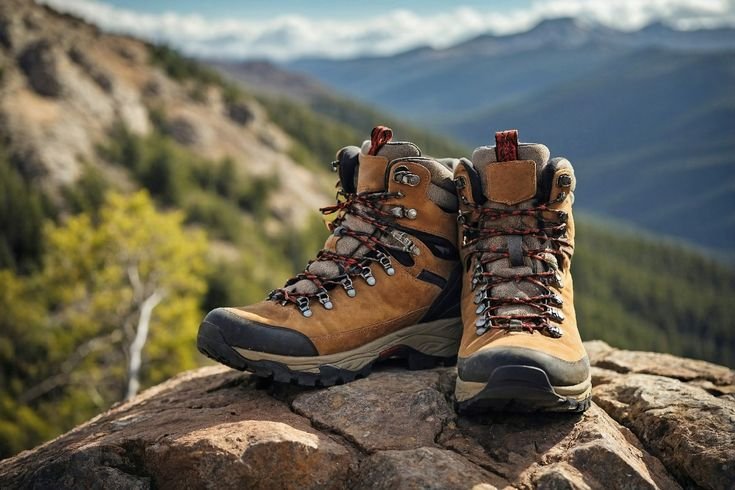
A walking boot normally consists of several important parts. The upper covers and protects the foot, the midsole provides cushioning and stiffness, and the outsole provides contact with the ground. The collar and lacing system help keep the foot securely in place.
Women’s walking boots are available in many shapes and designs. Some are low and lightweight, while others rise above the ankle and have a more substantial construction. Materials can include leather, synthetic fabrics, mesh and waterproof membranes.
The important point is that a women’s walking boot should suit the person wearing it. Foot shape varies considerably, so a boot that feels excellent on one person’s feet may be uncomfortable for another. The American Hiking Society recommends treating comfort and fit as major priorities when selecting hiking footwear.
Why Wear Walking Boots Instead of Regular Shoes?
For an easy walk on a paved path, ordinary trainers may be perfectly adequate. As the terrain becomes rougher or wetter, however, dedicated walking footwear can offer advantages.
Better Traction
Walking boots generally have more pronounced tread than everyday shoes. This can provide better grip on surfaces such as dirt, gravel, grass and mud.
The right amount of traction depends on the terrain. A boot designed for a simple park walk does not necessarily need the same outsole pattern as one intended for steep, muddy or rocky trails.
Protection From Rough Ground
Roots, stones, loose gravel and other obstacles can make ordinary footwear uncomfortable. A more substantial walking boot can provide additional protection around the foot.
Some boots also have reinforced areas around the toe and heel to help protect against knocks and abrasion.
More Weather Protection
Walking boots can be useful when conditions are wet. Waterproof models may help keep rain and puddles from reaching the feet, although waterproof construction is not automatically the best choice for every situation.
Waterproof membranes can reduce breathability compared with highly ventilated non-waterproof footwear, so the conditions in which you normally walk should be considered.
Support and Stability
A walking boot can provide a more secure platform than a soft everyday shoe, particularly on uneven ground. Higher-cut boots can also offer more coverage around the ankle.
However, a higher boot is not automatically better. The American Hiking Society notes that footwear should be matched to the type of hiking, terrain and load being carried.
Greater Comfort on Longer Walks
Comfort becomes increasingly important as walking distance increases. A small pressure point that seems insignificant after five minutes can become very noticeable after several hours.
That is why it is worth spending time walking around in a boot before buying it rather than judging it solely by its appearance.
Types of Walking Boots for Women
Different walking environments call for different footwear. Understanding the main types makes it easier to narrow down your options.
Lightweight Walking Boots
Lightweight walking boots are suitable for people who mainly use established paths, countryside trails and relatively easy terrain.
They can be a good choice for:
- Day walks
- Country paths
- Parks
- Travel
- Easy trails
- General outdoor use
Synthetic materials are often used in lighter boots because they can reduce weight and generally dry faster than traditional leather construction.
If you do not regularly walk through difficult terrain, there may be little reason to choose a particularly heavy boot.
Waterproof Walking Boots
Waterproof walking boots are designed to reduce water entering through the upper. They can be particularly useful for wet grass, rain, muddy trails and damp conditions.
Many waterproof walking boots use a waterproof and breathable membrane. GORE-TEX, for example, explains that its footwear technology combines water resistance with breathability, although the exact performance also depends on the footwear construction.
Waterproof boots are not necessarily the best option in every climate. On hot and dry walks, a more breathable non-waterproof boot may feel more comfortable.
Leather Walking Boots
Leather remains a popular material for walking footwear because of its durability and resistance to abrasion.
Full-grain leather can provide strong durability and good water resistance, while nubuck leather offers a somewhat different balance of durability, flexibility and appearance. REI notes that leather boots can require more break-in time than many synthetic models.
Leather boots can be a good choice if you value durability and a traditional feel, but they may be heavier than lightweight synthetic alternatives.
Synthetic Walking Boots
Synthetic walking boots can use materials such as nylon, polyester and synthetic leather.
They are often chosen because they can be lighter, dry relatively quickly and require less initial break-in than some leather boots. The trade-off is that some synthetic constructions may show wear sooner depending on how they are made and how heavily they are used.
Winter Walking Boots
Winter walking boots need to be selected with the conditions in mind. Waterproofing can be important in wet snow and rain, while insulation may be useful in genuinely cold conditions.
Traction also deserves careful attention. A normal hiking outsole is not necessarily designed for ice, so people walking in icy conditions may need footwear and traction equipment specifically intended for that environment.
Boots for Mountain and Rough Terrain
More demanding terrain may require footwear with greater protection, stability and durability.
Longer walks, rocky ground, steep terrain and heavier backpacks can all influence the type of footwear that makes sense. REI recommends considering factors such as distance, terrain and pack weight when deciding how substantial your hiking footwear needs to be.
For technical mountaineering, ordinary walking boots may not be suitable at all. Specialized footwear may be necessary for specific climbing, snow or ice conditions.
How to Choose the Right Walking Boots for Women
The best walking boots are not necessarily the most expensive or the most heavily built. The better approach is to match the boots to your actual walking habits.
Consider Where You Will Walk
Start with the terrain.
| Walking Environment | Features to Consider |
|---|---|
| Parks and paved paths | Lightweight design and everyday comfort |
| Countryside paths | Good grip and moderate protection |
| Muddy trails | Deeper tread and suitable water resistance |
| Rocky paths | Protective construction and secure fit |
| Long-distance walks | Comfort, cushioning and appropriate support |
| Cold or wet conditions | Weather protection and suitable traction |
| Steep or rugged terrain | Stability, protection and durable construction |
You do not need the heaviest boot available simply because it offers more features. Extra weight and stiffness can be unnecessary on easy trails.
Choose the Right Fit
Fit should be one of the first things you consider.
A good walking boot should feel secure without squeezing your foot. Your toes should have enough room to move, while the heel should remain reasonably stable inside the boot.
The American Hiking Society advises trying footwear with the socks you intend to use for walking and spending time moving around before making a decision.
Think About Boot Weight
Weight matters more as your walking distance increases. Lightweight footwear can feel easier to move in, while heavier boots may provide more protection and structure.
Neither option is universally better.
If most of your walks are short and easy, a lightweight boot may make more sense. If you regularly walk on rough terrain or carry a substantial pack, a more robust boot could be worth the additional weight.
Check the Outsole
The outsole is the part of the boot that contacts the ground.
Look at the tread pattern and lug depth. Deeper, more aggressive tread can be useful in muddy or uneven terrain, while a less aggressive sole may be perfectly adequate for well-maintained paths.
Think about where you will actually use the boots rather than choosing an outsole based only on how rugged it looks.
Consider Waterproofing
Ask yourself how often you encounter wet conditions.
If you regularly walk through wet grass, rain and muddy trails, waterproof footwear can be useful. If you mainly walk in warm, dry weather, breathability may be more important.
A waterproof membrane also does not mean that the boot will remain completely dry in every situation. Water can enter through openings around the tongue, collar or other areas if conditions are severe.
Look at Ankle Height
Walking boots can range from low-cut footwear to boots extending well above the ankle.
Low footwear tends to be lighter and more flexible. Mid-cut boots offer more coverage and can provide a more secure feel on uneven trails.
Your choice should depend on terrain, pack weight, personal preference and comfort. There is no rule that every woman needs a high boot for ordinary walking.
How Should Women’s Walking Boots Fit?
A well-fitting boot should feel comfortable from the beginning. You should not rely on severe discomfort disappearing after a long break-in period.
The American Hiking Society recommends looking for a secure heel, sufficient toe room and a fit that follows the shape of your foot without allowing excessive movement.
Try both boots and spend several minutes walking in them.
Pay attention to:
- Pressure around the toes
- Heel movement
- Pinching around the forefoot
- Pressure across the top of the foot
- Rubbing around the ankle
- Any unusual seams or hard spots
- Whether your toes touch the front when walking downhill
It is also worth trying boots later in the day. Feet can swell during the day, so footwear that feels comfortable first thing in the morning may feel tighter later. Both the American Hiking Society and REI recommend considering this when trying on hiking footwear.
Should You Buy Walking Boots a Size Bigger?
Not necessarily.
Some people need additional room in the toe area, particularly when walking downhill, but simply buying a much larger size can cause the heel to move excessively.
Instead, focus on finding the correct length and width. Your longest toe should have some space in front of it, while your heel should remain secure.
Different brands also use different shapes and sizing systems, so the same numerical size may not feel identical across different models.
Waterproof vs Non-Waterproof Walking Boots
The decision between waterproof and non-waterproof boots comes down largely to your environment.
| Feature | Waterproof Boots | Non-Waterproof Boots |
|---|---|---|
| Rain protection | Strong advantage | Limited |
| Breathability | Varies by construction | Often better |
| Drying after soaking | Usually slower | Often faster |
| Wet grass and muddy trails | Useful | Less suitable |
| Hot, dry conditions | May feel warmer | Often more breathable |
| Everyday flexibility | Depends on model | Often lightweight |
Waterproof footwear can be especially useful when wet conditions are common. However, breathability can be a concern in warmer weather. REI specifically notes that waterproof hiking footwear can be less breathable than some non-waterproof options.
In other words, waterproofing is a useful feature, not a requirement for every woman.
Leather vs Synthetic Walking Boots
Both materials can work well, but they have different characteristics.
Leather
Leather boots are often valued for:
- Durability
- Abrasion resistance
- Traditional appearance
- Structure
- Good water resistance in suitable constructions
The disadvantages can include greater weight and a longer break-in period. REI notes that full-grain and nubuck leather can be durable and water resistant but generally require more time to become comfortable than many synthetic options.
Synthetic
Synthetic boots are often chosen for:
- Lower weight
- Faster drying
- Easier initial break-in
- Breathability in some designs
- Practical everyday use
They may not have the same long-term abrasion resistance as some leather boots, although construction quality varies considerably.
The best material is therefore the one that suits your walking conditions, budget and preference.
What Makes a Walking Boot Comfortable?
Comfort is affected by much more than the amount of cushioning.
Important factors include:
Fit: A boot that matches your foot shape is more important than simply choosing a highly cushioned model.
Weight: A lighter boot may feel less tiring over long distances, while a heavier model may offer additional protection.
Midsole: The midsole affects cushioning, stiffness and how the boot feels underfoot. REI notes that EVA is commonly used for lightweight cushioning, while TPU is generally firmer and more durable.
Heel security: Excessive heel movement can become uncomfortable during longer walks.
Toe room: Your toes should not be cramped, especially when walking downhill.
Socks: The socks you wear can change how a boot fits. Always test boots with the type and thickness of socks you expect to use.
Breathability: Warm, sweaty feet can make long walks less comfortable, so consider how much ventilation you need.
Walking Boots for Women With Wide Feet
Women with wider feet should pay particular attention to the shape of the toe box and the overall width of the boot.
A common mistake is to buy a longer size simply because the boot feels too narrow. That can create excessive space around the heel while failing to solve the actual width problem.
Instead, look for boots available in wider fittings or models with a roomier forefoot.
When trying them on, check whether the sides of your feet are being compressed. Your toes should have enough space to spread naturally without the foot sliding around inside the boot.
If you use orthotics or specialist insoles, take them with you when trying on boots. REI recommends doing this because insoles can change the fit and internal volume of footwear.
Walking Boots for Different Types of Walkers
For Casual Walkers
If you mainly walk on parks, pavements and easy country paths, you may not need a heavy hiking boot.
A lightweight walking boot with comfortable cushioning and reasonable grip may be enough.
For Regular Countryside Walkers
Regular walkers may benefit from a more versatile boot that combines grip, durability and weather protection.
A mid-cut design can be useful if you regularly encounter uneven ground, although fit should remain the priority.
For Long-Distance Walkers
Long walks place greater demands on footwear.
Comfort, weight, fit, cushioning and moisture management become particularly important. A boot that feels fine for a 30-minute walk may not be the right choice for an entire day.
For Hikers
Hikers should select footwear based on terrain, distance, elevation and pack weight.
A lightweight day-hiking boot may be sufficient for moderate trails, while more demanding trips can call for more protective and durable footwear.
For Winter Walkers
Winter walkers should consider waterproofing, insulation and traction.
If ice is common, check whether additional traction equipment is required rather than assuming an ordinary walking boot will provide sufficient grip.
For Travelers
Travelers may prefer lightweight boots that are comfortable enough for long days of sightseeing but capable of handling occasional trails.
A versatile pair can be more practical than carrying separate shoes for every possible activity.
How to Break In New Walking Boots
Some modern walking shoes require little or no break-in, while traditional leather and more rigid boots can take longer to become comfortable.
Even when a manufacturer says a boot needs minimal break-in, it is sensible to wear it on shorter walks before taking it on a long-distance trip.
Start by wearing the boots around the house or on short walks. Gradually increase the distance as you become familiar with how they feel.
The American Hiking Society recommends starting with short hikes and increasing the distance as comfort improves.
Pay attention to early signs of trouble. A small rubbing spot can become a painful blister after several miles.
If a boot causes significant pain or pressure from the beginning, breaking it in may not solve the problem. It may simply be the wrong shape or size for your foot.
How to Care for Women’s Walking Boots
Good care can help keep walking footwear in useful condition for longer.
After a muddy or wet walk, remove loose dirt before it becomes firmly attached to the upper.
For waterproof footwear, follow the manufacturer’s cleaning instructions. GORE-TEX recommends removing loose dirt, cleaning with lukewarm water and a suitable small amount of liquid detergent, and avoiding bleach and washing machines.
Cleaning Walking Boots
Remove the laces and take out the insoles if possible. Brush away dirt and grit, then clean the exterior according to the manufacturer’s instructions.
Do not assume that every boot should be treated in the same way. Leather, suede, nubuck, textile and synthetic materials can have different care requirements.
Drying Wet Boots
Allow boots to dry naturally at moderate temperatures.
Avoid placing them directly beside a strong heat source. GORE-TEX specifically recommends natural drying and warns against direct heat because excessive heat can damage footwear materials.
Conditioning Leather Boots
Leather footwear may require products specifically designed for the type of leather used. Always follow the boot manufacturer’s recommendations because the wrong treatment can affect appearance, breathability or performance.
Maintaining Waterproofing
Water-repellent treatments may need to be refreshed as the outer material ages.
GORE-TEX recommends checking the manufacturer’s instructions and using an appropriate water-based restorative where recommended. It also advises against waterproofing waxes or greases for GORE-TEX footwear because they can affect breathability.
Checking the Soles and Laces
Regularly inspect the outsole, stitching, laces and upper.
Worn tread can reduce grip, while damaged materials may affect weather protection. If the structure of the boot has deteriorated significantly, cleaning and treatment will not restore it to its original condition.
Common Mistakes When Buying Walking Boots
It is easy to focus on appearance or technical features and overlook the basics.
Buying Only for Appearance
A stylish boot is not useful if it causes pain after an hour.
Comfort and fit should come before colour or fashion.
Choosing the Wrong Size
Do not assume your usual shoe size will always fit every walking boot.
Different brands and models have different shapes. Try them on with your walking socks.
Ignoring Width
Length is only one part of fit. A boot can be long enough but still too narrow.
Buying More Boot Than You Need
A heavy, stiff boot may be unnecessary for short walks on easy trails.
Choosing Insufficient Grip
If your normal routes are muddy or steep, a smooth or lightly treaded sole may not provide the performance you need.
Assuming Waterproof Is Always Better
Waterproof boots can be excellent in wet conditions, but they may feel warmer and less breathable than some non-waterproof alternatives.
Taking New Boots on a Long Walk Immediately
Even comfortable-looking boots should be tested before a major walking trip.
Ignoring Socks
Thick socks can significantly change the fit. Try boots with the socks you plan to wear outdoors.
How Long Do Women’s Walking Boots Last?
There is no fixed lifespan for walking boots.
A pair used occasionally on easy paths may remain usable much longer than a pair used several times a week on rough terrain.
Inspect your boots rather than replacing them simply because they have reached a particular age.
Signs that footwear may need replacing include:
- Severely worn outsole tread
- Cracked or damaged materials
- Separating sole
- Persistent leaks
- Damaged stitching
- Loss of structural support
- Cushioning that has noticeably deteriorated
- Repeated discomfort that was not present when the boots were new
The condition of the boot matters more than a specific number of months or years.
Walking Boots vs Hiking Boots: What’s the Difference?
The terms “walking boots” and “hiking boots” are sometimes used interchangeably, and there is no single universal definition separating them.
Generally, the difference comes down to intended use.
Walking boots may be designed for everything from everyday countryside walks to demanding trails. Hiking boots can refer to footwear intended specifically for trail and backcountry use.
Instead of relying on the name, look at the actual construction.
Consider:
- Terrain
- Distance
- Boot height
- Weight
- Outsole grip
- Waterproofing
- Durability
- Pack weight
- Flexibility
- Protection
REI similarly categorizes hiking footwear according to factors such as terrain, distance and pack weight rather than treating one style as suitable for every outdoor situation.
Frequently Asked Questions About Walking Boots for Women
Are walking boots better than walking shoes?
Not always. Walking shoes are often lighter and can be comfortable for easy trails and shorter walks. Boots can provide more coverage and protection, making them useful on rougher terrain. The right choice depends on where and how you walk.
Should women’s walking boots be waterproof?
They can be, but waterproofing is not essential for everyone. If you frequently walk in rain, wet grass or muddy conditions, waterproof boots can be useful. For hot and dry environments, breathable non-waterproof footwear may be more comfortable.
How should walking boots fit?
They should feel secure without being tight. Your heel should stay reasonably stable, while your toes should have enough room to move. There should be no painful pressure points or rubbing.
Should you wear thick socks with walking boots?
Wear the type of socks you actually plan to use. If you normally wear thick hiking socks, take them when trying on boots. Otherwise, you may choose a size or model that does not fit correctly when worn outdoors.
Can you wear walking boots every day?
Some lightweight walking boots can work well for everyday use, particularly if comfort is good. Heavier hiking boots may be unnecessary for ordinary daily activities.
How long does it take to break in walking boots?
It depends on the boot. Flexible synthetic footwear may require little break-in, while stiff leather or heavy boots can take longer. Start with short walks and increase the distance gradually.
Are leather walking boots better than synthetic ones?
Neither is automatically better. Leather can offer durability and a traditional feel, while synthetic footwear is often lighter and quicker to dry. Choose according to your terrain, climate, walking habits and preferences.
What are the best walking boots for women with wide feet?
Look for a model that matches your actual foot shape rather than simply buying a longer size. Wide-fit options can be particularly useful. Try boots on with your normal walking socks and check for pressure around the forefoot.
Can you wear walking boots in winter?
Many can be used in winter, but suitability depends on the conditions. Wet winter walks may call for waterproof footwear, while snow and ice can require additional insulation or specialized traction.
How often should walking boots be replaced?
Replace them when their condition has deteriorated enough to affect comfort, grip, protection or structural integrity. There is no universal replacement schedule.
Read More About: ModernFashionGuide
Final Thoughts on Choosing Walking Boots for Women
The best walking boots for women are the ones that match the way you actually walk.
Before buying, think about your usual terrain, the weather, walking distance and how much protection you need. Then pay close attention to fit. Your boots should feel secure without squeezing your feet, leave enough room for your toes and work comfortably with your normal walking socks.
Material and waterproofing are also worth considering. Leather can provide durability and structure, while synthetic materials can offer lower weight and quicker drying. Waterproof boots are useful in wet environments, but a breathable non-waterproof pair may be preferable in warm and dry conditions.
Most importantly, do not choose walking boots simply because they look rugged or have a long list of features. A well-fitting boot that suits your walking conditions is usually more useful than a highly technical boot that does not match your needs.
Take your time when trying on different pairs, walk around in them, and test them on shorter outings before committing to a long trip. With the right combination of fit, comfort, traction, protection and weather resistance, a good pair of walking boots can make time outdoors much more enjoyable.