




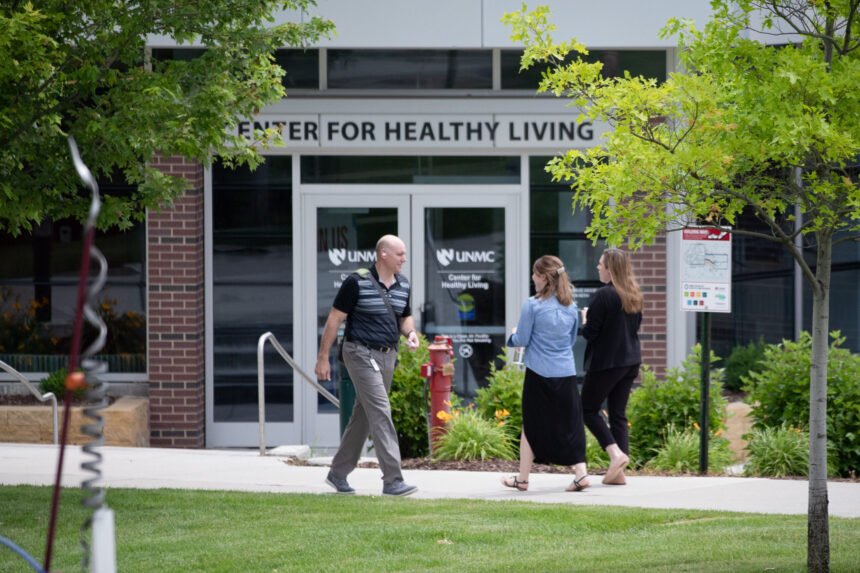
Taking care of your health involves more than visiting a doctor when something feels wrong. Everyday habits such as eating well, staying physically active, managing stress, getting enough sleep, and keeping up with preventive care can all play an important role in long-term well-being. This is where a Center for Healthy Living can be useful.
A Center for Healthy Living may bring several health and wellness services together in one place. Depending on the organization, services can include nutrition counseling, fitness programs, health education, preventive care, wellness coaching, weight-management support, and programs for people living with certain chronic conditions.
However, not every center offers the same services. Some are closely connected to hospitals or medical practices, while others focus mainly on wellness education and lifestyle programs. Therefore, it is important to understand what a particular center provides before choosing a program.
This guide explains what a Center for Healthy Living is, the services it may offer, who can benefit, what to expect during a visit, and how to choose a program that fits your needs.
What Is a Center for Healthy Living?
A Center for Healthy Living is generally a place that helps people improve or maintain their health through prevention, education, lifestyle support, and, in some cases, medical services.
The idea is closely related to health promotion, which the World Health Organization describes as helping people gain greater control over and improve their health.
Instead of focusing only on treating an illness after it develops, healthy-living programs often encourage people to pay attention to factors that influence health over time. These may include diet, physical activity, tobacco use, alcohol consumption, stress, sleep, and preventive healthcare.
The exact role of a Center for Healthy Living depends on the organization. One center may have doctors, nurses, dietitians, exercise professionals, and health educators. Another may primarily offer fitness classes, nutrition education, or wellness coaching.
For this reason, the name alone does not tell you everything about a center. Looking at its actual services, staff qualifications, and approach to care is important.
What Services Does a Center for Healthy Living Offer?
Services vary from one organization to another, but many healthy-living centers cover several areas of wellness.
Preventive Health Services
Preventive healthcare is an important part of maintaining good health. It can include routine checkups, screenings, vaccinations, counseling, and other services designed to prevent disease or identify health problems at an earlier stage.
The CDC notes that preventive care can help people stay well and detect certain health problems early. It includes services such as screening tests, vaccinations, dental care, and health education.
The exact screenings or preventive services a person needs depend on factors such as age, sex, medical history, family history, and individual risk factors. The U.S. Preventive Services Task Force maintains recommendations for many preventive services and regularly updates them as evidence changes.
A healthy-living center may provide some preventive services directly or help people understand which services they should discuss with their healthcare provider.
Nutrition Counseling
Food has a major influence on health, which makes nutrition support a common feature of many wellness programs.
Nutrition counseling may help people understand their eating habits, plan balanced meals, make practical food choices, or adjust their diet to meet specific goals.
The World Health Organization explains that healthy diets are based on principles such as adequacy, balance, moderation, and diversity. A healthy diet can also help protect against malnutrition and several noncommunicable diseases, including cardiovascular disease, diabetes, and some cancers.
A nutrition professional may help someone make gradual changes instead of following an extremely restrictive diet. The goal is often to develop eating habits that are realistic enough to maintain over time.
Nutrition needs are different for every person, however. Age, activity level, medical conditions, medications, cultural food preferences, and other factors can all affect dietary needs.
Fitness and Physical Activity Programs
Physical activity is another common part of healthy-living programs.
Depending on the center, fitness services may include exercise classes, personal training, movement education, strength training, mobility exercises, walking programs, or individualized activity plans.
Regular physical activity has well-established health benefits. According to the WHO, physical activity can help prevent and manage conditions such as cardiovascular disease, diabetes, and hypertension. It can also support mental health, brain health, physical function, and overall well-being.
The CDC currently advises adults to aim for at least 150 minutes of moderate-intensity physical activity each week, along with muscle-strengthening activities on at least two days per week. Individual recommendations may differ depending on a person’s health and circumstances.
A good program should consider a person’s current fitness level rather than assuming everyone should follow the same routine.
Stress Management and Mental Well-Being
Health is not only physical. Stress, emotional well-being, social connections, and daily routines can also affect how people feel and function.
Some Centers for Healthy Living provide programs focused on relaxation, mindfulness, stress-management skills, healthy routines, or general well-being.
These services should not be confused with professional treatment for a diagnosed mental health condition. Someone experiencing serious or persistent symptoms may need assessment and treatment from a qualified healthcare professional.
A wellness program can sometimes complement appropriate medical or mental healthcare, but it should not replace necessary treatment.
Weight Management Programs
Some healthy-living centers offer structured weight-management programs. These may combine nutrition education, physical activity, behavior changes, and regular follow-up.
A responsible program should focus on sustainable health habits rather than promising rapid or guaranteed weight loss.
Weight is influenced by many factors, including genetics, food intake, physical activity, medications, sleep, health conditions, environment, and other circumstances. Therefore, an effective approach may look different from person to person.
Chronic Disease Management
Some Centers for Healthy Living also support people who are living with chronic conditions.
Programs may provide education about nutrition, physical activity, medication routines, monitoring, and other lifestyle factors. Conditions commonly associated with lifestyle support include diabetes, high blood pressure, heart disease, and arthritis.
The CDC recommends that people with chronic conditions continue regular medical care, follow their treatment plans, stay active when appropriate, and maintain healthy eating habits.
A wellness center can sometimes provide additional education and support, but it should work alongside appropriate medical care rather than replace it.
Benefits of Using a Center for Healthy Living
The main advantage of a healthy-living center is that it can give people access to information and support that may be difficult to manage alone.
Better Understanding of Your Health
Health information can sometimes be confusing. A qualified professional can explain relevant information and help people understand practical steps they can take.
Support for Healthier Daily Habits
Knowing what to do and actually doing it are two different things. Regular guidance can make it easier to turn general health advice into daily habits.
For example, someone may know that physical activity is important but struggle to create a realistic exercise routine. A structured program can provide guidance and accountability.
Personalized Health and Wellness Guidance
Not everyone has the same needs. A good program should consider a person’s current habits, goals, preferences, physical abilities, and relevant medical information.
Personalization is particularly important when exercise or dietary changes may interact with an existing health condition.
Help With Long-Term Lifestyle Changes
Healthy habits usually develop over time. A program that emphasizes gradual changes can be more practical than one based on extreme restrictions or unrealistic promises.
Greater Focus on Prevention
Preventive care gives people an opportunity to address health risks before they become more serious. The CDC recommends combining healthy behaviors with appropriate preventive care to reduce the risk of chronic disease and identify some problems earlier.
Access to Different Health and Wellness Resources
Depending on the organization, one center may provide access to several professionals or programs. This can make it easier for people to find nutrition, fitness, education, and other forms of support in one setting.
Who Can Benefit From a Center for Healthy Living?
Healthy-living services can be useful for many different people.
For example, a person may consider a center if they want to:
- Improve their eating habits
- Become more physically active
- Develop a healthier routine
- Learn more about preventive care
- Work toward a healthy weight
- Manage lifestyle-related risk factors
- Receive nutrition education
- Build better stress-management habits
- Learn more about living with a chronic condition
- Get support while making long-term lifestyle changes
A person does not necessarily need to have a health problem to benefit from health education or preventive support.
At the same time, anyone with a significant medical condition should make sure the program they choose is appropriate for their situation and coordinated with their healthcare team when necessary.
What Happens During a Visit to a Center for Healthy Living?
The first visit can vary considerably depending on the center and the service you are seeking.
In many cases, the process may begin with a conversation about your health goals, current habits, medical history, and concerns.
You may then receive an assessment or recommendations based on the service you selected.
A typical process might look like this:
Initial consultation → Discussion of goals → Assessment → Recommendations → Program or services → Follow-up
For example, a nutrition appointment may focus on eating habits and dietary goals, while a fitness consultation may look at activity levels, physical abilities, and exercise preferences.
Some programs also include follow-up appointments. These visits can be useful for reviewing progress and adjusting the plan when necessary.
Before your appointment, it can be helpful to prepare a list of questions, medications, supplements, relevant medical information, and personal health goals.
Center for Healthy Living vs. Traditional Healthcare
A Center for Healthy Living and a traditional healthcare practice can serve different but complementary purposes.
| Feature | Center for Healthy Living | Traditional Healthcare |
|---|---|---|
| Main focus | Wellness, prevention and lifestyle support | Diagnosis, treatment and medical care |
| Nutrition support | May be available | Depends on the practice |
| Fitness education | May be available | Usually depends on the provider |
| Health education | Often included | Often included as part of care |
| Chronic-condition support | Available at some centers | Common part of medical care |
| Preventive services | May be offered or supported | Common |
| Medical diagnosis | Depends on the organization | Core healthcare service |
| Emergency care | Generally not the focus | Depends on the healthcare facility |
The two approaches do not have to be viewed as competing options.
For example, someone with diabetes may receive medical treatment from their doctor while also working with a qualified nutrition professional to improve eating habits. Someone recovering from an injury may receive medical care and use an appropriate exercise program as part of their recovery.
The important thing is to understand what each provider is qualified to do.
How to Choose the Right Center for Healthy Living
Choosing a center deserves the same careful consideration you would give to any health-related service.
Check the Services
Start by looking at exactly what the center provides. Make sure its programs match your goals.
Look at Staff Qualifications
Find out who provides the services and what training, education, licenses, or certifications they hold.
Credentials and licensing requirements can vary depending on the profession and location. The National Center for Complementary and Integrative Health recommends checking practitioners’ education, training, licensing, and certifications when choosing health professionals.
Ask About the Evidence
Be cautious of programs that make dramatic promises.
Reliable health information should be supported by credible evidence rather than testimonials alone. NCCIH advises consumers to consider scientific research when evaluating complementary and integrative health approaches.
Consider Personalization
Ask whether the program is adapted to individual needs or whether everyone receives exactly the same plan.
Understand the Cost
Ask about consultation fees, memberships, program costs, payment arrangements, and insurance coverage.
Do not assume that insurance will automatically cover a particular service. Coverage can vary considerably between plans and services.
Consider Communication With Your Healthcare Team
If you already receive medical care, find out whether the center is willing to communicate with your healthcare providers when appropriate.
Good communication can help reduce confusion and support coordinated care.
Questions to Ask Before Joining a Program
Before committing to a Center for Healthy Living, consider asking:
- What services do you provide?
- Who provides the services?
- What qualifications do your professionals have?
- Is the program personalized?
- What happens during the first appointment?
- How much does the program cost?
- Does insurance cover any of the services?
- How is progress measured?
- How often are follow-up appointments provided?
- Can you coordinate with my doctor?
- What happens if I have a medical problem that requires treatment?
Clear answers can help you decide whether the center is suitable for your needs.
How to Make the Most of a Healthy Living Program
Joining a program is only one part of improving your health. What you do between appointments also matters.
Start with realistic goals rather than trying to change everything at once.
For example, you might begin by adding regular walks to your week, improving the quality of your meals, establishing a consistent sleep schedule, or reducing a habit that is affecting your health.
Keep track of your progress when appropriate. A simple record of physical activity, meals, appointments, or other goals can help you notice patterns.
It is also important to ask questions. If you do not understand why a recommendation was made, ask the professional to explain it.
Most importantly, give changes time. Healthy living is generally about building habits that can fit into ordinary life, not following a perfect routine every day.
Common Mistakes to Avoid
Choosing a Center Based Only on Price
A low price does not necessarily mean a program is better or worse. Consider qualifications, services, evidence, support, and overall value.
Expecting Instant Results
Health improvements often take time. Be cautious about programs that promise dramatic results within a very short period.
Believing Every Health Claim You See Online
A professional-looking website does not automatically mean that every claim is supported by good evidence. Look for reliable sources and ask qualified professionals when you are uncertain.
Ignoring Professional Qualifications
Always find out who is providing the service and whether they have appropriate training and credentials.
Stopping Medical Treatment Without Advice
A wellness program should not encourage you to stop prescribed medication or replace necessary medical treatment without discussing it with your healthcare provider.
Trying Too Many Changes at Once
Large lifestyle changes can be difficult to maintain. Smaller, practical changes are often easier to incorporate into everyday life.
Focusing Only on Weight
Weight is only one part of health. Physical activity, nutrition, sleep, mental well-being, blood pressure, blood glucose, and other factors can also matter depending on the individual.
Frequently Asked Questions About Center for Healthy Living
What is a Center for Healthy Living?
A Center for Healthy Living is generally an organization that provides health, wellness, prevention, education, or lifestyle-support services. The exact services vary. Some centers provide clinical care, while others focus primarily on nutrition, fitness, wellness education, or health promotion.
What services are offered at a Center for Healthy Living?
Services may include preventive care, nutrition counseling, fitness programs, health education, stress-management support, weight-management programs, and chronic-disease education. The available services depend on the specific center.
Is a Center for Healthy Living the same as a medical clinic?
Not necessarily. Some Centers for Healthy Living are connected to healthcare organizations and may offer clinical services, while others focus mainly on wellness and lifestyle programs. Always check the specific services and qualifications of the organization.
Can a Center for Healthy Living help with weight management?
Some centers offer weight-management programs that combine nutrition, physical activity, behavior changes, and follow-up support. A suitable program should consider individual needs rather than promising the same result for everyone.
Do Centers for Healthy Living provide nutrition counseling?
Many do, although this is not universal. Some centers employ registered dietitians or other qualified nutrition professionals, while others may provide general nutrition education.
Can a Center for Healthy Living help with chronic diseases?
Some centers provide lifestyle education and support for people living with chronic conditions. However, people with chronic diseases should continue appropriate medical care and follow their healthcare provider’s treatment plan.
How do I choose the best Center for Healthy Living?
Look at the center’s services, staff qualifications, approach to care, evidence behind its programs, costs, accessibility, and communication with healthcare providers. Choose a center that matches your specific needs and goals.
Is a Center for Healthy Living covered by insurance?
It depends on the service and your insurance plan. Some services may be covered while others may not. Contact the center and your insurance provider before beginning a paid program.
What should I bring to my first appointment?
Depending on the appointment, you may want to bring a list of medications and supplements, relevant medical information, questions, previous health records if requested, and a clear idea of your goals.
Can a wellness center replace my doctor?
Generally, a wellness program should not be considered a replacement for necessary medical care. Wellness services can complement appropriate healthcare, but diagnosis and treatment of medical conditions should be handled by qualified healthcare professionals.
Read More About: ModernFashionGuide
Final Thoughts
A Center for Healthy Living can be a useful resource for people who want practical support with nutrition, physical activity, preventive health, wellness education, or long-term lifestyle changes. However, the services and quality of care can differ significantly between organizations.
The best approach is to look beyond the name and examine what the center actually provides. Check the qualifications of its professionals, ask how its programs are designed, look for credible evidence, understand the costs, and make sure the services fit your individual needs.
Healthy living does not require perfection. It is usually built through manageable habits that can be maintained over time. Eating a balanced diet, staying physically active, avoiding tobacco, limiting excessive alcohol use, and keeping up with appropriate preventive care can all contribute to better health.
If you are considering a Center for Healthy Living, take time to ask questions and make an informed decision. A good program should help you understand your health, make realistic changes, and work alongside appropriate medical care when needed.